
In Stock
esculenta
Camassia esculenta
Autumn
Autumn, Camassia, Rock Garden and Border
£4.60 for 12
£16.00 for 48
Begonias are one of the most useful summer flowering plants. They can be used in beds, containers and hanging baskets. Begonias are easy to care for and will grow even in partial shade.
PLANTING

Plant the tubers hollow-side up in moist compost. For outdoor cultivation, start in an unheated greenhouse or cold frame from early April.

Cover with a shallow layer of compost and water sparingly until growth begins. Depending on when you start the begonias, this can take up to 6 weeks. At this stage we are trying to achieve maximum root growth until shoots appear.

The corms should be exposed to maximum daylight but make sure they are protected from the harshest mid-day sun.

Water regularly (but be sure not to over-water, the compost should not become sodden.) It is important that the compost does not dry out. You can start hardening the plants from mid-May.
When the top growth is about 2 inches (4-6cm), the plants can be potted on.

Apply a tomato plant feed once every two weeks. During flowering, deadhead weekly.
Begonias will flourish in partial shade and cool, moist conditions.
WINTER STORAGE
As begonias are not tolerant of frost, it is essential to lift and store them over winter. Cut the foliage down to ground level and carefully lift the plants out of the soil. Leave to dry and trim off any fine roots.
Store tubers in trays or wooden crates, packed with dry sand or peat-free compost. Store in a cool dry place and protect from frost.

Discover the hidden charm of Camassia bulbs, an excellent addition to any British garden. Known for their splendid beauty and versatility, these bulbs will give your garden a captivating landscape that’s truly a feast for the eyes.
The Great Camas, scientifically known as Camassia leichtlinii, are a garden showstopper. Towering at 90 to 120 centimetres, this species showcases sturdy flower spikes adorned with numerous star-shaped blossoms in enchanting shades of blue or white. These late spring bloomers, perfect for the British climate, attract a variety of pollinators and their adaptability to diverse soil types makes them a must-have for any garden. Add them to your landscape for a touch of native elegance.
Meet the Quamash or Indian hyacinth (Camassia esculenta), a plant that lends a touch of softness to any garden landscape. With its ornamental value, Quamash is a popular choice for British gardeners. Its late spring blooms offer an attractive source of nectar for pollinators, further enhancing its appeal.
Camassia bulbs flourish in the British climate and soil:
Although resilient, protect your bulbs from slugs and snails when young shoots emerge in spring.
Camassia esculenta
Autumn
£4.60 for 12
£16.00 for 48

Camassia leichtlinii Alba
Autumn
£17.40 for 6
£30.90 for 12

Camassia leichtlinii Blue Candle
Autumn
£8.40 each
£26.70 for 3
£46.40 for 6

Camassia leichtlinii Caerulea
Autumn
£19.20 for 6
£34.00 for 12
Unique, emblematic and often unusually coloured, fritillaria are beautiful and rewarding plants to grow. They love the light shade of woodland conditions and can be stunning in pots.
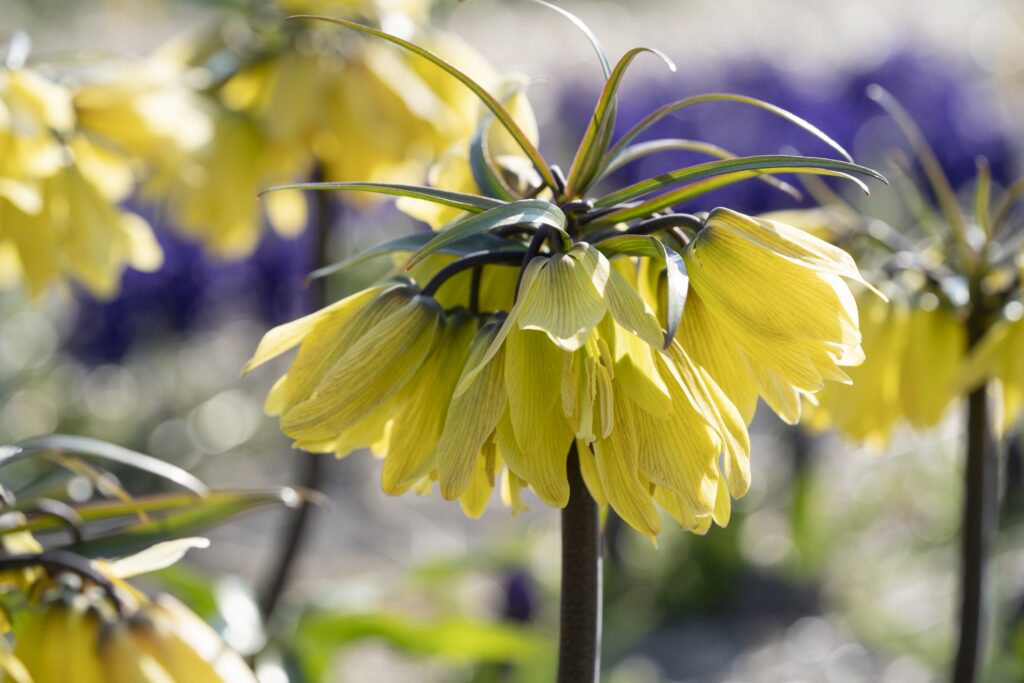
For best performance plant bulbs deep, an absolute minimum of 15cm/6″, and similarly spaced apart. This is to account for their deep root system. Plant in a well-drained, loamy soil in a sunny open position where they can be left undisturbed to naturalise.
To encourage flowering in following years and in areas where the soil conditions are poorer apply a dressing of sulphate of potash in the spring once there is sign of growth and again in late autumn while the plant is active. This is to help toughen the plant, aiding its resistance to pests, disease, drought and extremely cold temperatures.
We recommend planting the bulbs on their side or at an angle. This is because new shoots develop from the indentation and this will reduce the chance of water gathering and rotting the bulb while it is dormant in the summer.
If conditions are suitable Crown Imperials will form clumps which over time may become congested and start performing poorly. They may be split but no later than August while the plant is still dormant and root activity hasn’t began. Once transplanted it may take the bulbs a season to return to their prior performance.
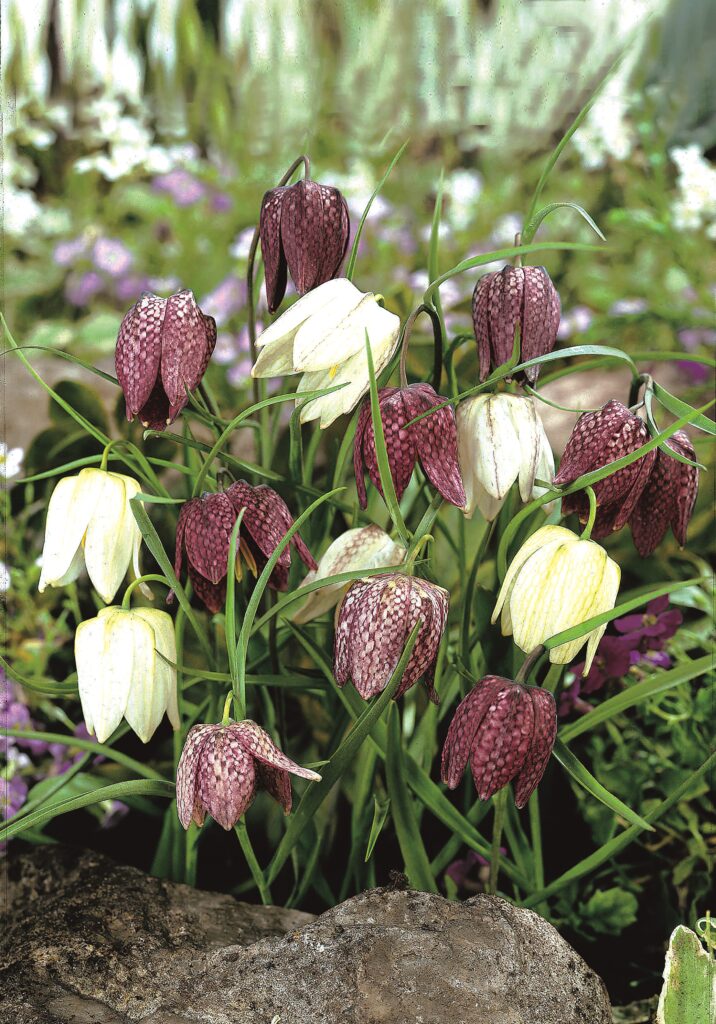
Commonly known as the snake’s head fritillaria, these very popular bell shaped flowers have naturalised well in the United Kingdom though their is historical debate as to whether they are native or came over from Europe or Western Asia as a garden plant which escaped.
melagris prefer cooler and more moist positions in the summer compared to the imperialis cultivars and other species varieties such as persica and can be found naturally on flood plains, river meadows and grasslands. They are also easily grown in pots so are a valuable additions to all gardens and planting schemes.
Plant the bulbs around 3 times the size of the bulb deep with similar spacing apart to ensure the best results.

From £4.90

From £18.90

From £14.50


From £3.90

From £3.90

From £3.90

From £10.80

From £9.70

From £11.30

From £10.60

From £13.60

From £14.70

From £6.20

From £14.20

From £9.20

From £12.50

From £11.90

From £14.70

From £15.00

From £10.30

From £9.90

From £11.80

From £10.00


From £4.90

From £7.90

From £8.60

From £13.40

From £12.90

From £12.20

From £7.20

From £4.90

From £7.90


